Infrastructure as Ideology
Every dataset is a border.
Two ecosystems trade indicators. Bees hold the physical one together — their disappearance is a warning about pollination, about the food chain, about the room. Spam holds the digital one — a low-grade textual biosphere that trains classifiers, seeds corpora, and gives the machine something dumb to compare against. Its disappearance is a warning of the opposite kind: not that the ecosystem is collapsing, but that the machine has learned to complete the sentence.
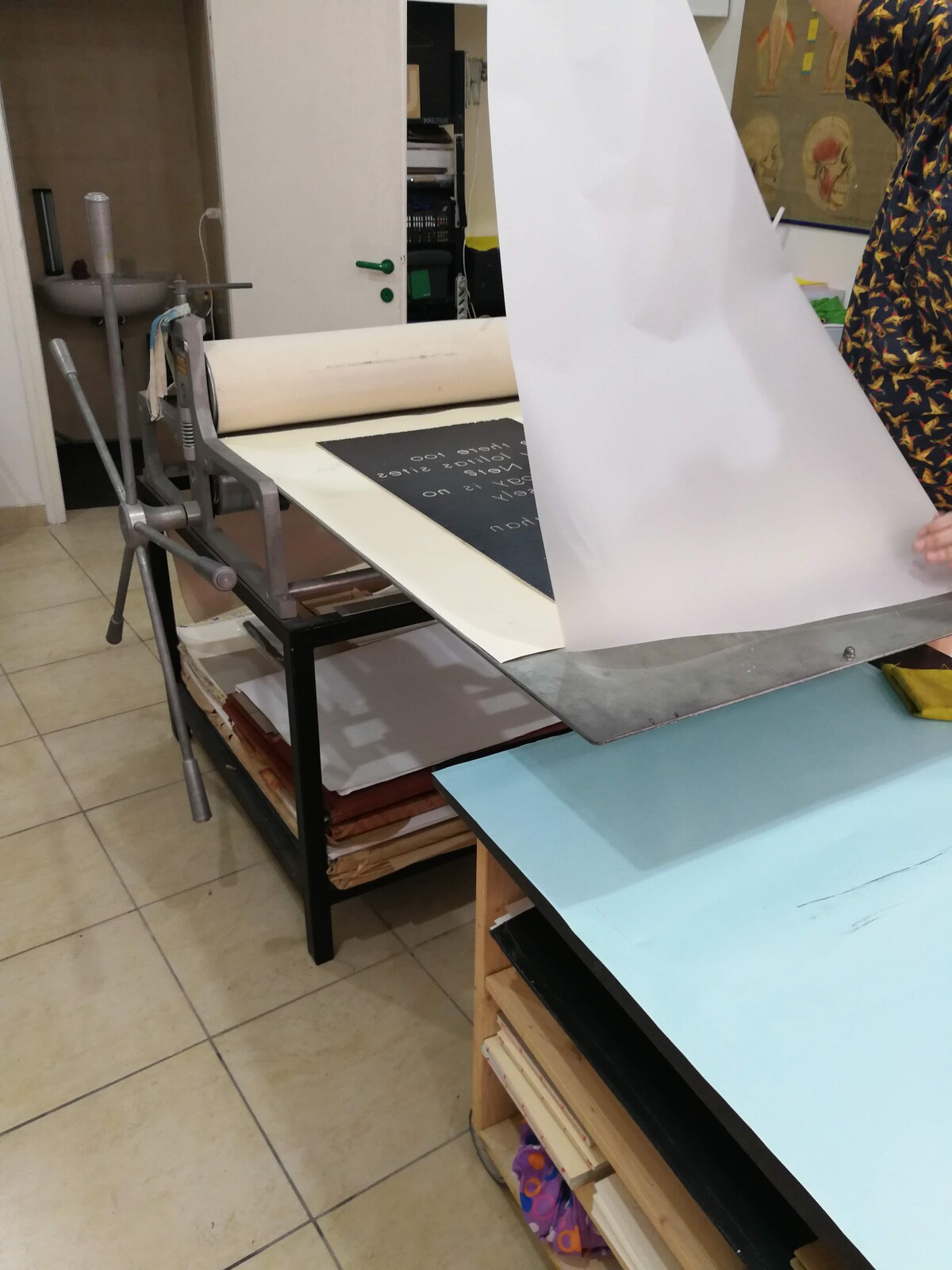
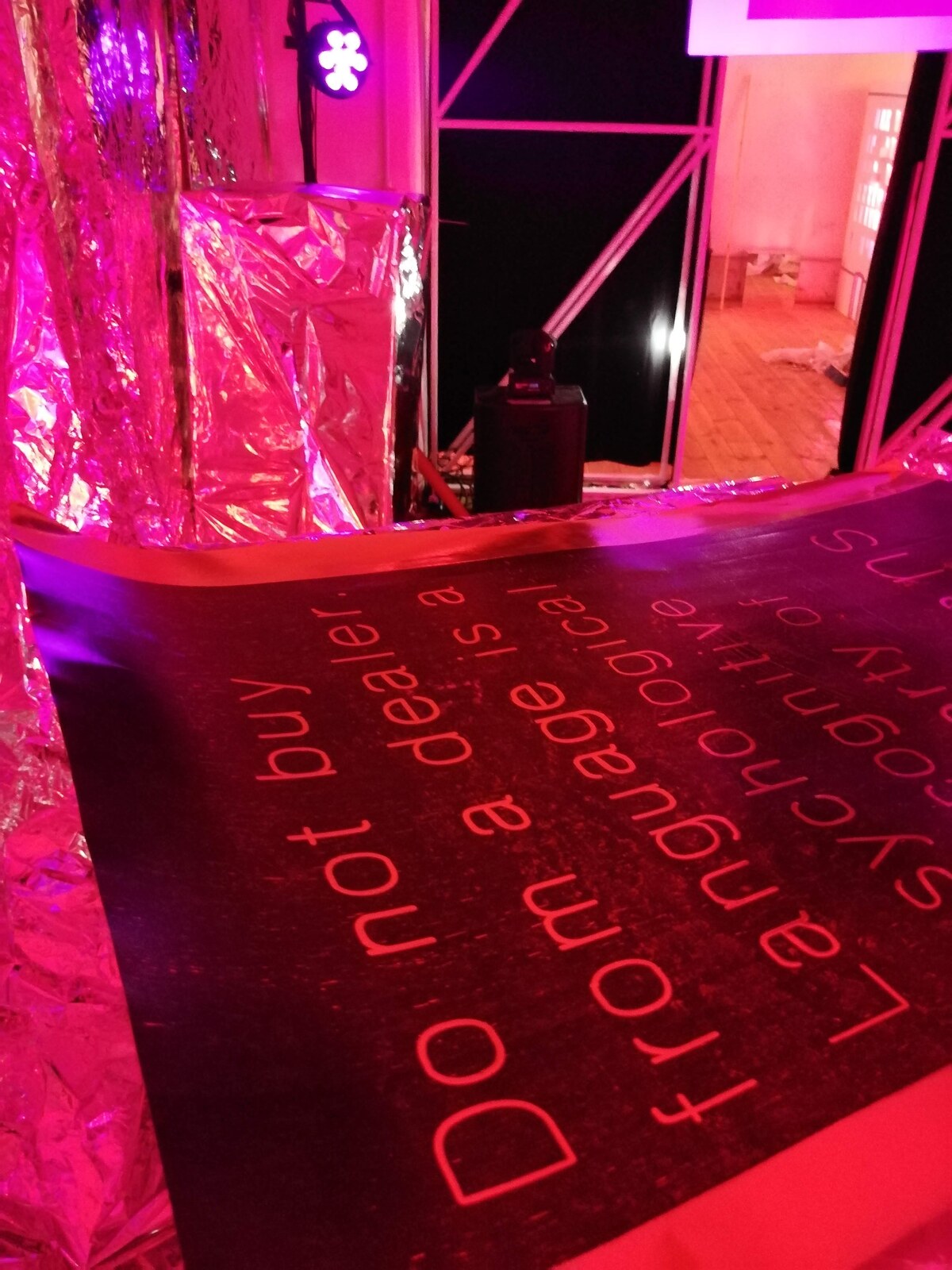
May 2018, at the None collective's space in Rome. A set of large black posters carried collaged texts — an incipit of spam email spliced to a proposition from the Tractatus Logico-Philosophicus, a promise about erectile dysfunction routed into Wittgenstein'swhat signs fail to express. The cutting was done by hand. The photocopier did the printing. The street did the display. The spam was still abundant enough to be its own genre; you could read a good piece of it the way you read an ad, then walk on.
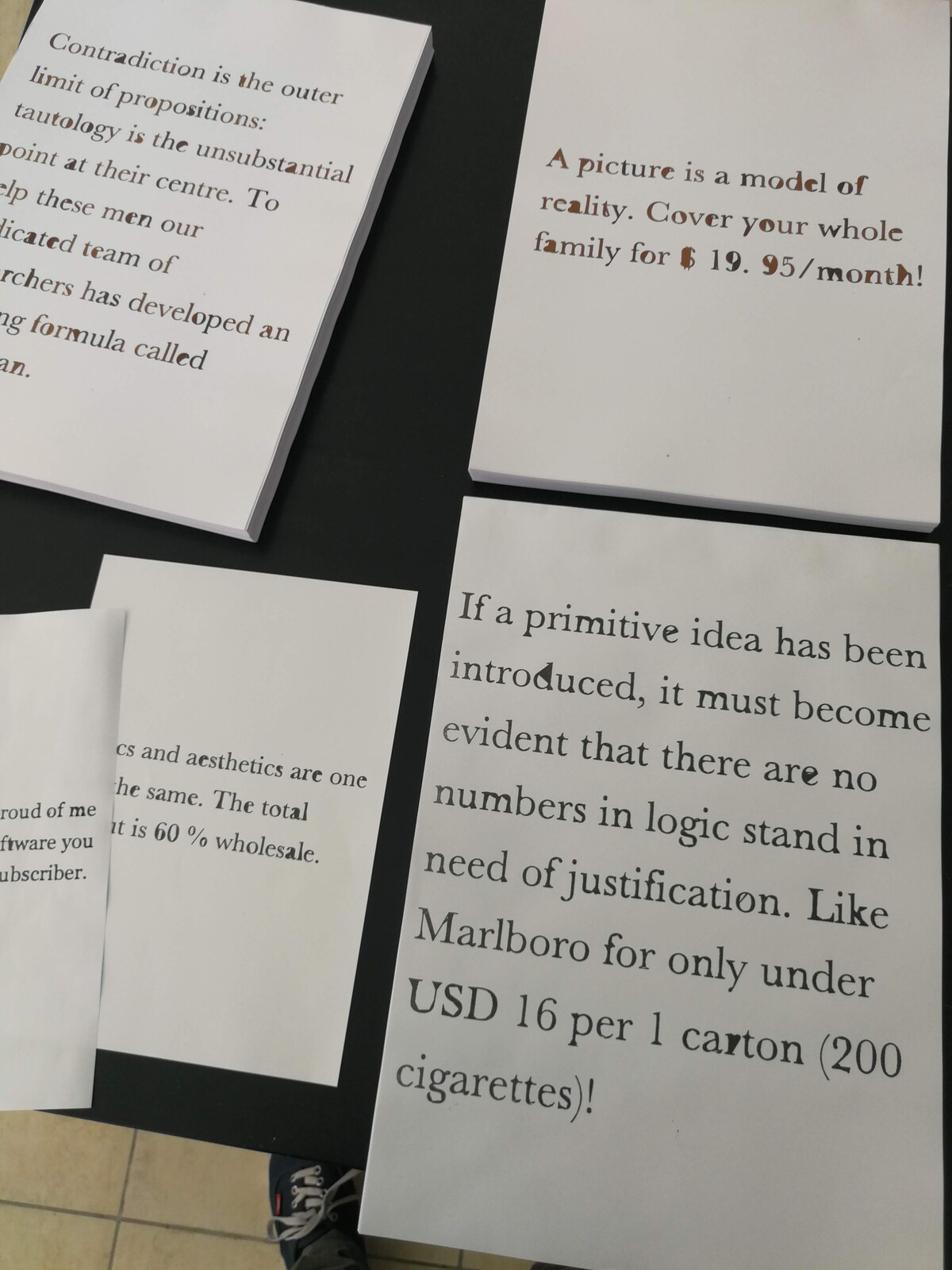
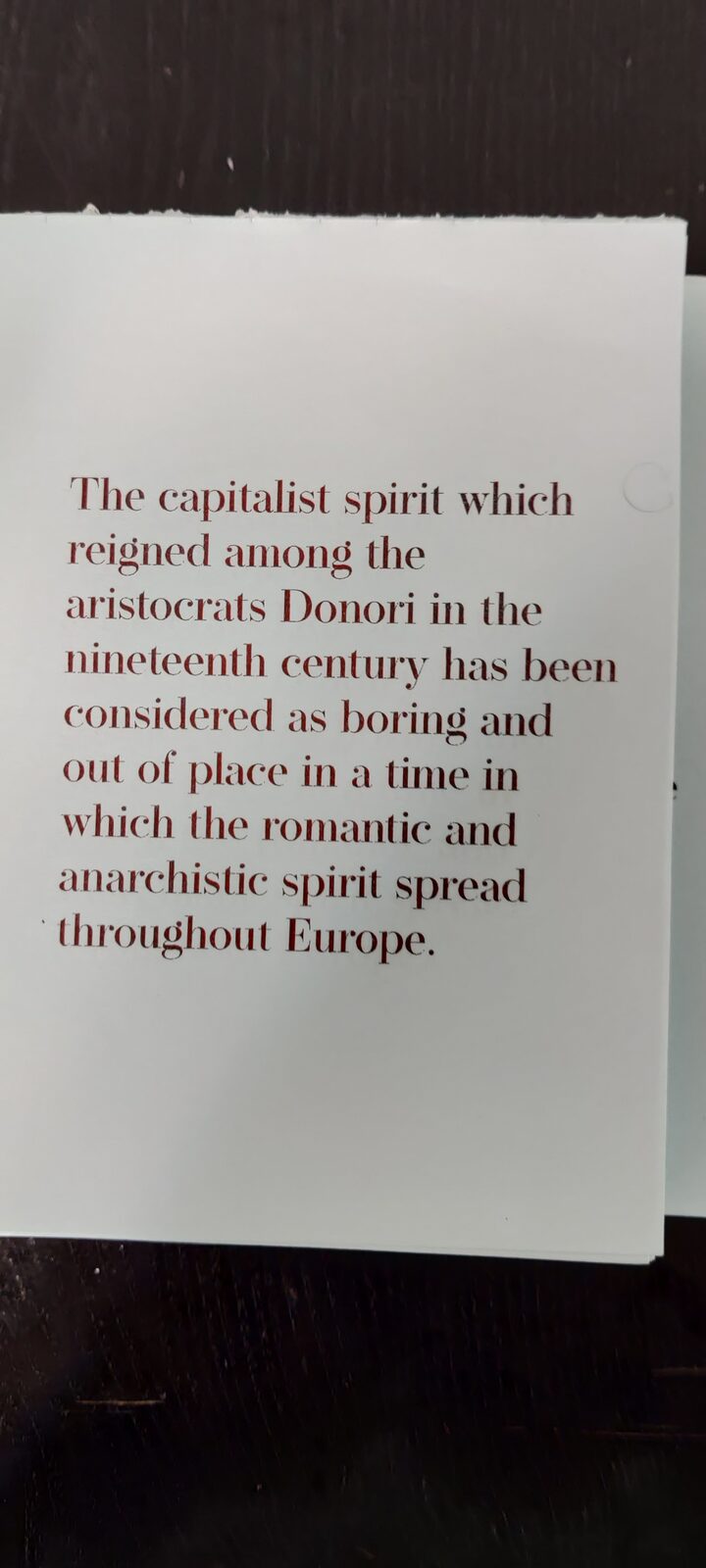
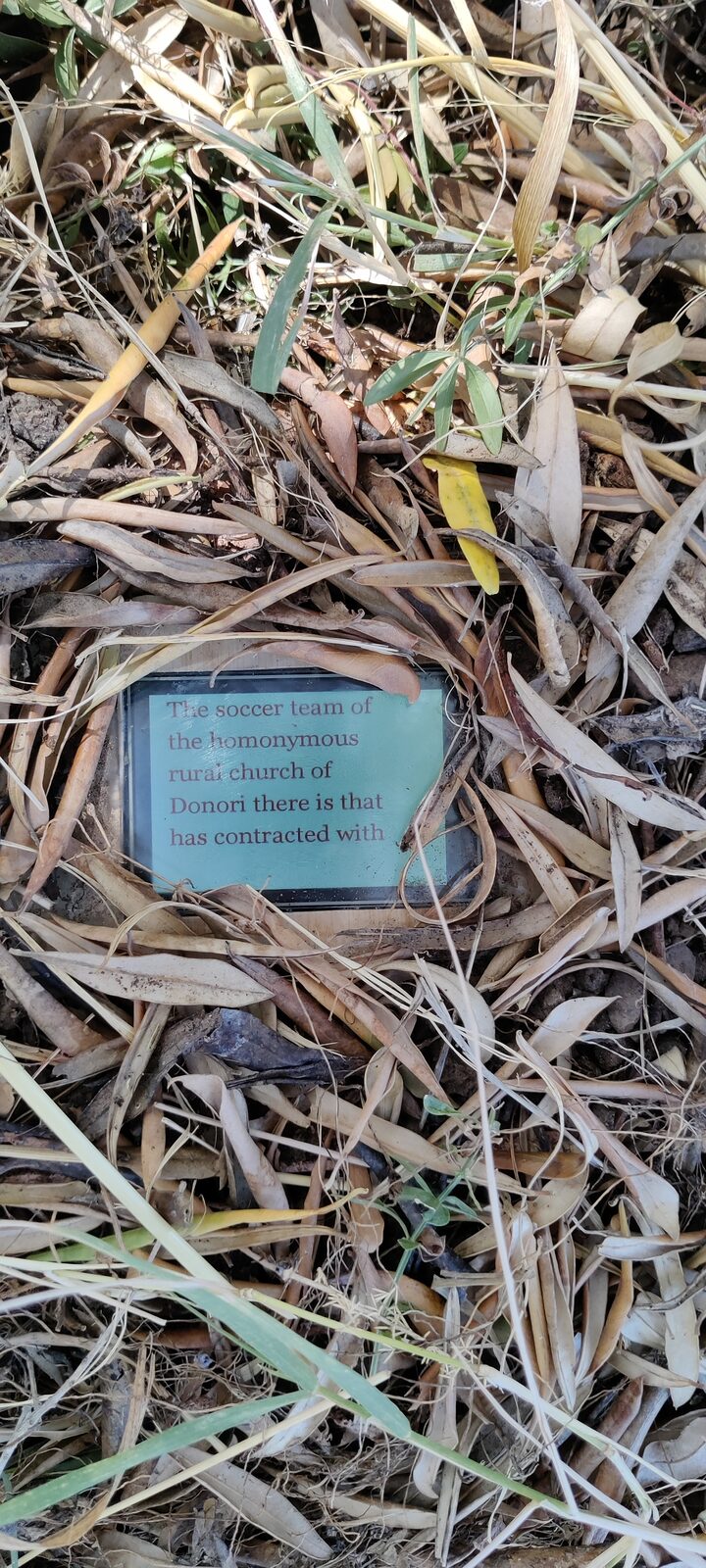
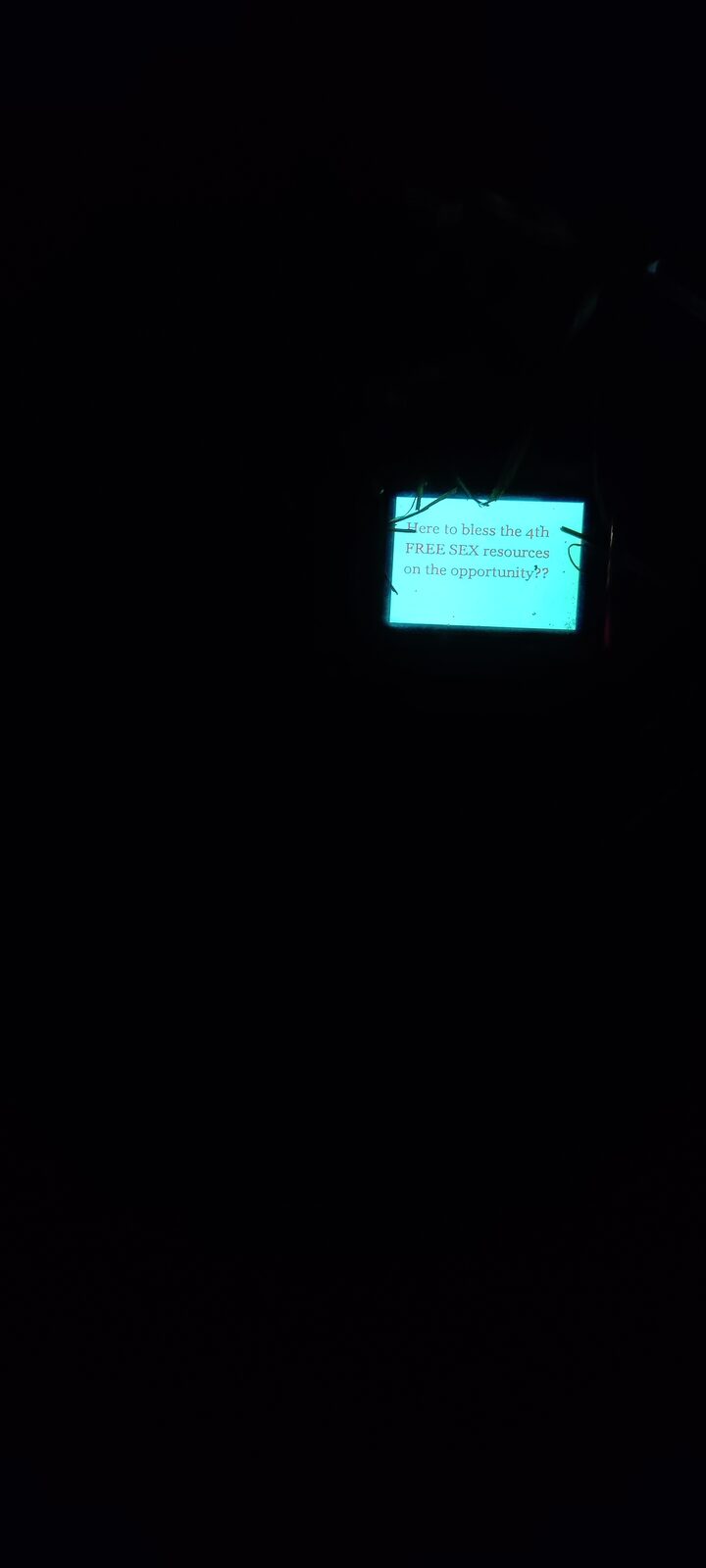
August 2021, Contemporary festival, Donori. A Raspberry Pi running the RiTa library generated its first autonomous sentences on a table in the main square. Training set: the recorded history of the village, spliced with a large corpus of spam email. The output — hybrids of parish record and enlargement offer, of local saint and Nigerian prince — read as poetry, and made everyone laugh. Later, a series of notebooks containing false stories about the village were left in a local bar, waiting for the older residents to find them. Some did. Some corrected the dates.
The mash was the same as in Rome, three years earlier. The scissors were now a for-loop; the photocopier, a Pi; the street, a piazza. The machine was still small enough to be ridiculous. That was part of the joke.
Statistical efficiency is redistribution disguised as neutrality.
Today the same procedure runs behind every consumer-grade chatbot at industrial scale, trained on the same intact history seeded with the same spam. The machine is no longer small; the ridiculousness has moved elsewhere. And the spam itself is thinning out — not because the world has stopped selling drugs and prayers, but because filters have gotten good enough to intercept it, and because language models are good enough to write the coherent versions that reach you.
If the spam is disappearing from your inbox, that is not a victory. It is a threshold report. The canary is not being replaced by a healthier bird. The canary is being replaced by an animal that also whistles.
Spam was the last text no one meant to be read.
Like a Bees, May 2018 — None collective, Rome. Hand-collaged spam × philosophy on photocopier posters. — Radix, August 2021 — Contemporary festival, Donori (IT). Raspberry Pi + RiTa library, trained on the parish records of Donori and a spam corpus.